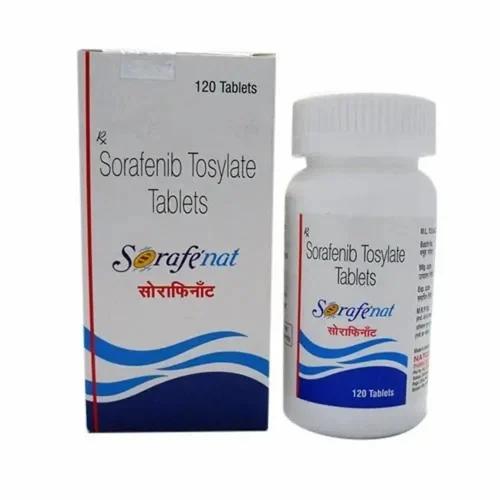
About 100mg Sorafenat Sorafenib Tablets
| Strength |
100 mg |
| Manufacturer |
Natco |
| Form |
Tablet |
| Brand |
Sorafenat |
| Packaging Size |
120 Tablets |
| Packaging Type |
Bottle |
| Treatment |
To Treat Liver Cancer |
| Composition |
Sorafenib |
Sorafenib Tablets IP is used in the treatment of liver cancer, kidney cancer and thyroid cancer.
Precise Dosage and AdministrationSorafenat tablets are intended for oral use only and should be swallowed whole with water. Dosage and duration must be determined by a healthcare professional based on individual patient needs. Adherence to the prescribed regimen ensures optimal efficacy and reduces the risk of adverse effects. Always consult your doctor before making changes to your dosage.
Therapeutic Benefits and IndicationsSorafenat is primarily recommended for adults diagnosed with hepatocellular carcinoma, renal cell carcinoma, and differentiated thyroid carcinoma. As a tyrosine kinase inhibitor, it targets cancer cell growth pathways, helping to manage and slow the progression of cancer. Its effectiveness is best realized when used under the continuous supervision of an oncologist.
Safety, Storage, and PrecautionsThis prescription-only medication should be stored below 30C in a dry, light-protected place. It is essential to keep Sorafenat out of reach of children. Patients with known hypersensitivity to Sorafenib must not use this product. Common side effects include hand-foot skin reaction, diarrhea, rash, and hypertension-promptly report any adverse symptoms to your doctor.
FAQ's of 100mg Sorafenat Sorafenib Tablets:
Q: How should Sorafenat 100mg tablets be administered?
A: Sorafenat tablets should be taken orally with water, preferably at the same time each day, and always as prescribed by your physician. Do not crush, chew, or split the tablets.
Q: What is the main therapeutic use of Sorafenat?
A: Sorafenat is indicated for the treatment of adults with hepatocellular carcinoma, renal cell carcinoma, and differentiated thyroid carcinoma, acting as a tyrosine kinase inhibitor to slow cancer progression.
Q: When should I take Sorafenat-before or after meals?
A: Follow your physician's advice regarding timing with meals. Generally, it is recommended to take Sorafenat on an empty stomach, either one hour before or two hours after eating, to ensure consistent absorption.
Q: Where should I store Sorafenat tablets to maintain their effectiveness?
A: Keep the tablets in their original bottle, store them below 30C, and protect them from moisture and direct light to preserve their potency throughout their shelf life.
Q: What should I do if I experience side effects like rash or diarrhea while using Sorafenat?
A: If you notice side effects such as rash, diarrhea, hand-foot skin reactions, or elevated blood pressure, contact your healthcare provider promptly for guidance on symptom management.
Q: Why is Sorafenat available only by prescription?
A: Due to its potent anticancer effects and potential for significant side effects, Sorafenat requires professional supervision to ensure safe and effective usage tailored to each patient's needs.
Q: What are the benefits of using Sorafenat for cancer treatment?
A: Sorafenat helps slow the progression of certain cancers by inhibiting key enzymes required for cancer cell growth, thereby supporting improved disease control and enhanced quality of life when part of a doctor-monitored treatment plan.







 Get Latest Price


 Send Inquiry
 English
 Spanish
 French
 German
 Italian
 Chinese (Simplified)
 Japanese
 Korean
 Arabic
 Portuguese